Table of contents
- The Unromantic Truth About Floreana Island Giant Tortoises
- Local Etiquette and Small Details
- The Part That Tests Your Patience
- Who Gets the Most Out of It in Floreana Island Giant Tortoises
- Luxury Galapagos Cruise Itineraries That Visit Floreana
- FAQ (The Stuff You’ll Google at 1 AM) (Giant Tortoises Return)
- What conservation efforts led to the return of giant tortoises to Floreana?
- How does a luxury Galapagos cruise enhance the experience of visiting Floreana?
- What are the unique features of Floreana Island compared to other islands in the Galapagos?
- How can travelers contribute to ongoing conservation efforts while on a luxury cruise? - Next Steps: Build Your Plan in Floreana Island Giant Tortoises
Floreana Island is now a focal point for travelers who want to actively participate in the recovery of one of the Galapagos’ most iconic species: the giant tortoise. This guide helps you decide whether integrating Floreana into your Galapagos cruise aligns with your interests—especially if you wish to directly witness and support species reintroduction in a fragile ecosystem. If you care most about seeing Galapagos conservation in action, choose a cruise that specifically includes Floreana and its tortoise restoration sites.
This guide is designed for visitors with a strong focus on both ecological immersion and travel comfort. Expect to balance the rewards of close interaction with wildlife, like juvenile tortoises and endemic birds, against logistical constraints—such as wet landings, variable weather, and the planning required for timely cruise reservations. The decision you’ll face revolves around comfort versus exclusivity: luxury expeditions offer higher comfort and curated access to Floreana, but with limited flexibility and strict schedules due to conservation restrictions.
Early planning and clear priorities—habitat restoration versus traditional sightseeing—will directly shape your Floreana experience.
Key Takeaways – What Matters Most
-
158 juvenile giant tortoises have been reintroduced to Floreana Island—choose cruises that actually include this site for firsthand observation.
-
Select itineraries that integrate hands-on conservation education alongside high-comfort cruising; not all luxury cruises include meaningful conservation components.
-
Avoid the busiest months to reduce visitor pressure and improve your chances of seeing wildlife with minimal disruption—peak periods can compromise both your access and the animals’ routines.
The Unromantic Truth About Floreana Island Giant Tortoises
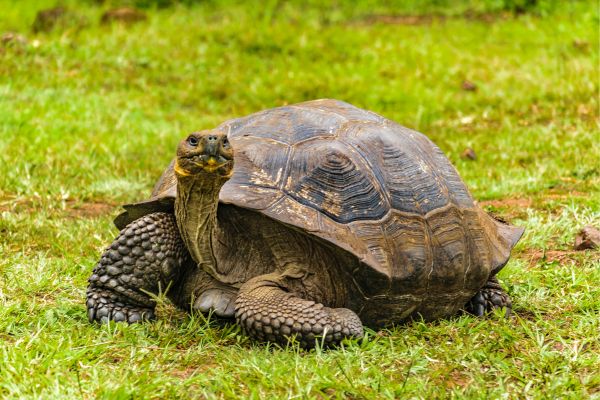
Floreana Island's giant tortoise population was eradicated nearly two centuries ago, primarily from hunting and invasive mammal introductions. When you visit this site today, you’re seeing a landscape heavily shaped by decades of ecological damage, now slowly being reversed. The 158 juvenile tortoises reintroduced—aged 8 to 13 and with 40-80% Floreana genetic lineage—were selected after years of careful breeding away from predators and disease. Arriving in conjunction with the first seasonal rains, their reintroduction was timed to maximize food availability and survival chances, but daily observation still reflects the uncertainty and difficulty of their adaptation.
If you care most about experiencing direct conservation milestones, prioritize visiting Floreana rather than destinations focused solely on sightseeing. In exchange, expect early morning landings and scheduled visits strictly guided by National Park protocols—freedom of movement is limited, and animal sightings may require patience and luck. The process is not about dramatic encounters, but about subtle moments: seeing juvenile tortoises graze in newly restored areas or witnessing active restoration such as predator removal. If your interest is species recovery over immediate “wow” moments, Floreana delivers, but the experience demands tempering your expectations.
Local Etiquette and Small Details
Responsible visitation on Floreana goes beyond passive observation. Upon landing—typically via wet landings that can require stepping knee-deep into surf—you’ll join a maximum of a few dozen visitors, since park rules keep numbers low. The human population remains under 200, and close monitoring means every step off the boat is scrutinized.
If you care about supporting the island’s social fabric, prioritize itineraries or activities involving community members—such as guided walks or conversations with residents involved in wildlife monitoring programs. The tradeoff is limited independent wandering and no unsupervised exploration; you’re always a guest in a space where flamingos, lava lizards, and hawks coexist with tight-knit human stewardship. For anchor points, remember that the Post Office Bay site highlights Floreana’s unusual combination of human history and conservation, while Punta Cormorant’s brackish lagoon showcases closely monitored flamingo populations. Recognize that ignoring “do not feed” or off-trail rules can destabilize ongoing restoration, and your presence is part of a delicate balance, not a passive backdrop.
The Part That Tests Your Patience
Getting to Floreana isn’t seamless. Cruise vessels must adhere to fixed routes approved months in advance, and rough seas or last-minute changes due to wildlife protection can shift schedules with little warning. If you care most about maximizing your time watching tortoises, choose itineraries where Floreana is a primary highlight, not a rushed stop among many.
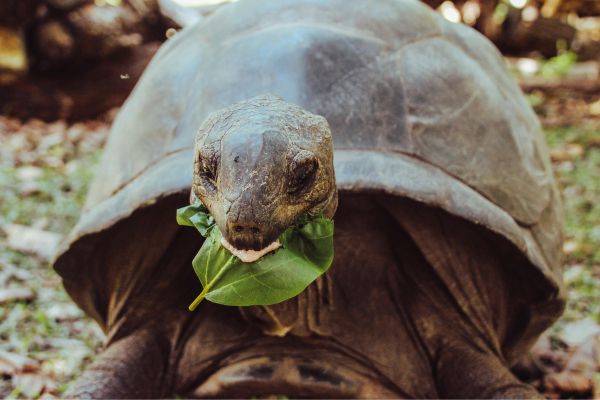
The tradeoff is significant: expect boat transfers in choppy conditions, possible waits for park rangers to approve disembarkation, and variability in how much time you’ll actually spend with the animals due to weather or logistical delays. Wildlife viewing often involves long, quiet observation periods—tortoises may remain motionless for extended stretches, testing your resolve. Yet these moments—like spotting a newly released juvenile foraging alongside Galapagos mockingbirds or marine iguanas—reward those prepared to adjust expectations around patience and presence, rather than high-paced adventure.
Who Gets the Most Out of It in Floreana Island Giant Tortoises
Floreana’s tortoise restoration is best appreciated by travelers who prioritize ecological engagement and can tolerate logistical complexity. If you want curated comfort and controlled access, choose a small luxury expedition vessel; these cruises reduce risks of crowding and typically feature expert guides with in-depth knowledge of Floreana’s specific challenges, such as ongoing efforts to eradicate invasive rats from tortoise nesting areas.
The constraint is that not every luxury cruise includes Floreana—its visitation caps and requirement for advance permits mean that flexibility is low and itineraries may not shift for individual preferences. The specificity of your vessel—a small group, conservation-oriented operator—will determine both comfort and access. For travelers who thrive on learning about restoration science and are willing to cede spontaneity for strict adherence to park rules, the experience is deeply rewarding. Those seeking rapid-fire wildlife encounters or recreational variety may find Floreana less satisfying than islands like Santa Cruz or Isabela.
Sail the Galapagos in Style Aboard the Grand Ocean Spray
Few journeys compare to exploring the Galapagos by sea. Aboard the Grand Ocean Spray Catamaran, each day reveals a new ecosystem shaped by volcanic forces and teeming with wildlife. From snorkeling beside sea lions and reef sharks to observing blue-footed boobies and giant tortoises in their natural habitat, these curated itineraries combine comfort, expert-guided exploration, and unforgettable biodiversity across the Enchanted Islands.
-
6-Day Unforgettable Galapagos Adventure
A well-balanced route featuring Española, Floreana, San Cristobal, and Santa Cruz. Highlights include Suarez Point’s waved albatross colony, snorkeling at Devil’s Crown, and wildlife encounters at Black Turtle Cove. -
4-Day Wildlife Adventure in the Galapagos
A shorter yet immersive itinerary visiting San Cristobal, Pitt Point, Witch Hill, and Floreana. Ideal for travelers seeking concentrated wildlife experiences with expert-led excursions and scenic coastal exploration. -
8-Day Epic Galapagos Cruise Experience
A comprehensive voyage covering Lobos Island, Genovesa, Santiago, Bartolomé, North Seymour, and more. Designed for travelers who want extended time discovering volcanic landscapes, rare birdlife, and vibrant marine ecosystems.
FAQ - Giant Tortoises Return
What conservation efforts led to the return of giant tortoises to Floreana?
The Floreana Ecological Restoration Project restored tortoise populations through invasive species removal and a carefully managed reintroduction of juveniles bred for genetic compatibility with the extinct Floreana lineage. Travelers interested in participating should seek cruise programs that include discussion and site visits addressing these specific challenges.
How does a luxury Galapagos cruise enhance the experience of visiting Floreana?
Compared to standard tours, a luxury cruise secures small-group disembarkation permits, employs guides skilled in explaining species recovery efforts, and maintains higher comfort standards during transfers and landings. This is most valuable if your priority is combining conservation learning with reliable physical comfort and access.
What are the unique features of Floreana Island compared to other islands in the Galapagos?
Floreana stands apart for its intertwined human and conservation history: it is the only island where an extinct endemic tortoise species has had its return attempted, and where visitors can directly observe the results of large-scale ecosystem restoration projects while exploring sites like Cormorant Point’s flamingo lagoons and the historic Post Office Bay.
How can travelers contribute to ongoing conservation efforts while on a luxury cruise?
Travelers can amplify their impact by joining specialist-led tours focusing on current tortoise and habitat restoration, complying with strict environmental guidelines, and supporting conservation funds managed by local and partner organizations during their cruise booking or onboard experience.
Next Steps: Build Your Plan in Floreana Island Giant Tortoises
As you plan, focus on selecting itineraries guaranteed to include Floreana landings—with specific time allotted for tortoise observation and interpretation by qualified guides. Prepare for the physical demands of wet landings and variable weather; hunting for comfort at all costs may mean missing more immersive, conservation-focused options altogether. If supporting wildlife recovery is your main priority, confirm with your operator exactly what hands-on experiences are available and what limits—such as viewing restrictions or seasonal variation—exist. Floreana’s tortoises are once again visible, but meaningful participation requires understanding the responsibilities that come with witnessing restoration up close.